
Skylights can transform a home by bringing daylight into rooms that otherwise feel dark or enclosed. In cold climates, however, they also introduce challenges that homeowners need to understand. Moist indoor air can condense on cold surfaces, and any heat escaping through the roof can contribute to ice dams. Moist indoor air can condense on cold surfaces, and any heat escaping through the roof can contribute to ice dams, according to Natural Resources Canada. Choosing the right skylight and the right installation approach is essential for long-term performance.
This guide looks at how cold-climate skylights work, how to manage condensation, and which venting options offer the best balance of comfort and efficiency.
What Makes a Skylight Suitable for Cold Climates
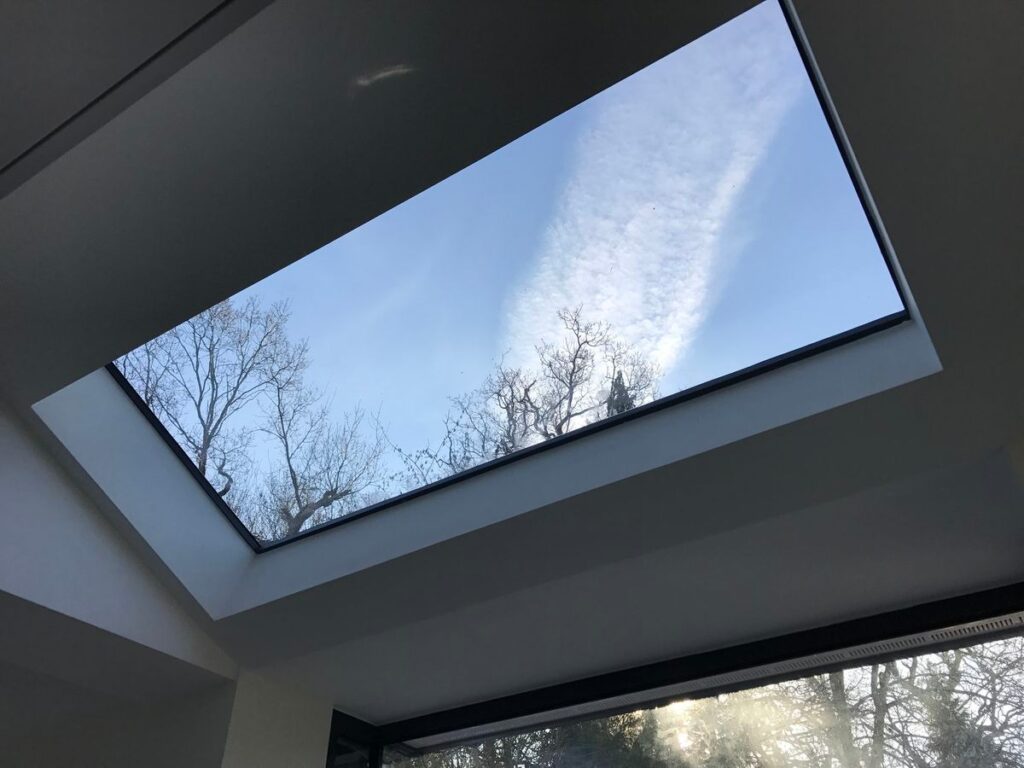
A skylight for winter weather is more than a standard window installed overhead. It is designed to be part of a home’s thermal envelope, helping keep warm air inside while resisting condensation.
Key features include:
- High-performance glazing: Cold-climate skylights typically use triple-pane glass with insulating gases and multiple Low-E coatings, as outlined by ASHRAE. This keeps the interior glass warmer, reducing the chances of condensation.
- Insulated frames: Materials such as vinyl, fiberglass, or thermally broken aluminum limit heat transfer and help maintain interior temperatures.
- Advanced flashing systems: Cold-climate skylights rely on flashing kits engineered to integrate with roof insulation and ice-and-water shield membranes, helping prevent leaks from melting snow.
Why These Features Matter
Choosing the wrong type of skylight can create costly problems.
- Condensation buildup: Warm, moist air rises. If the interior surface of the skylight is too cold, moisture can bead, drip, and stain nearby drywall or trim.
- Ice-dam formation: If heat escapes through an inefficient skylight, it can melt snow on the roof. As the water refreezes near the roof edge, it forms a dam that forces water back under the shingles.
- Higher energy use: In winter, a poorly insulated skylight becomes a heat-loss point that your furnace must compensate for, raising energy bills.
Comparing Skylight Venting Options
Venting choices affect how well a skylight manages moisture and indoor air quality.
| Parameter | Fixed (Sealed) Skylight | Manual Venting Skylight | Electric Venting Skylight |
| Air-Tightness | Excellent | Good | Good |
| Condensation Control | Fair | Excellent | Excellent |
| Initial Cost | Medium | High | Very High |
| Complexity | Low | Medium | High |
A fixed skylight offers strong energy efficiency. Venting skylights help manage humidity, especially in rooms with frequent moisture.
How to Choose the Right Skylight for Your Climate
1. Managing condensation
- Choose triple-pane glazing: This keeps the interior glass surface warmer, which helps prevent moisture from forming.
- Look for insulated frames: Warm frames reduce condensation along the edges and corners.
- Consider venting skylights in humid rooms: Bathrooms and kitchens benefit from skylights that can release moist air directly outdoors.
2. Preventing ice dams
- Use curb-mounted designs: A curb mount lifts the skylight above the surrounding roof surface, reducing exposure to pooled snow and ice. Use curb-mounted designs: A curb mount lifts the skylight above the surrounding roof surface, reducing exposure to pooled snow and ice, consistent with findings from the International Energy Agency.
- Insist on proper flashing: A manufacturer’s flashing kit is designed to work with the skylight and is safer than custom-bent flashing.
- Insulate the light shaft: The shaft between the ceiling and skylight should be insulated to the same level as the surrounding attic. A cold shaft can create its own condensation problems.
Common Mistakes to Avoid
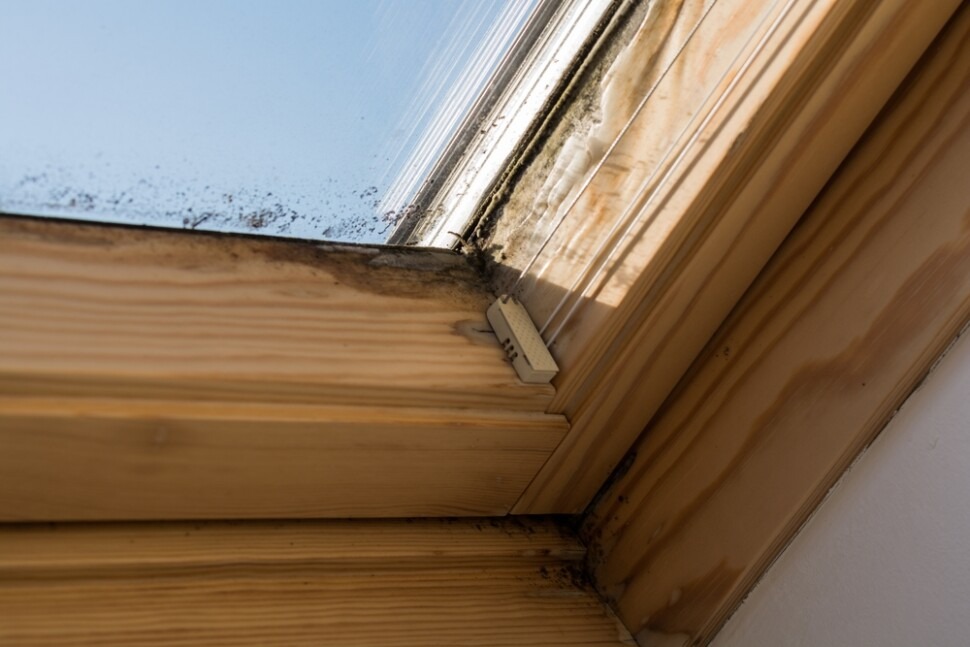
- Choosing a warm-climate skylight: Standard double-pane models are not designed for winter conditions and can lead to persistent condensation and heat loss.
- Overlooking solar gain: South-facing skylights bring in valuable winter heat but require Low-E coatings, as explained in Low-Emissivity Coating research, to prevent overheating in summer.
- Hiring an inexperienced installer: Skylight installation requires proper air-sealing and roof flashing. Working with an installer who is familiar with your chosen brand helps ensure long-term performance.
Fixed vs Venting Skylights: A Climate Consideration
Professionals often disagree on which type is best in cold climates.
- Energy-focused view: Some experts argue that fixed skylights are the better choice because they offer stronger air-tightness and avoid future seal wear.
- Indoor air quality view: Others highlight that as homes become more airtight, ventilation becomes critical. A venting skylight offers a direct escape path for humid indoor air, especially in bathrooms or kitchens where moisture is highest.
Both views are valid. The right choice depends on where the skylight will be installed and how much moisture the room generates.
Frequently Asked Questions (FAQ)
1. What should I consider when buying cold-climate skylights?
Your top three priorities must be condensation control, ice-dam prevention, and energy efficiency. This means choosing a triple-pane, insulated-frame skylight and having it installed by a certified professional with the correct flashing kit.
2. How do I choose the best venting option?
For high-moisture areas like bathrooms and kitchens, a venting skylight (manual or electric) is the best choice for managing condensation. For all other areas like hallways or living rooms, a high-performance fixed skylight is more energy-efficient.
3. What are the advantages and disadvantages of skylights in cold climates?
- Advantages: Unbeatable natural light, can enhance passive solar heating, and improves the feeling of spaciousness.
- Disadvantages: High potential for condensation, ice dams, and heat loss if the wrong product is chosen or if it’s installed improperly. They are also a significant investment.
Conclusion
A skylight in a cold climate must perform as part of your roof system, not just as a decorative feature. With the right glazing, frame materials, flashing, and venting choices, it can provide beautiful natural light without the common winter concerns.
By planning carefully and choosing products designed for cold conditions, you can enjoy a bright, comfortable home year-round.