
Large patio doors have become a signature feature in modern homes, replacing traditional walls with expansive glass and open sightlines. If you’re planning a major upgrade, two systems often stand out: lift-and-slide and multi-slide patio doors. While they might look similar at first, the way they operate, seal, and protect your home is very different.
This guide explains how each system works, how their thresholds affect daily use, and what their weather performance, as noted by Natural Resources Canada, means for your home.
Understanding These Door Systems
Both options create large openings by moving glass panels along tracks, but the mechanics are not the same.
1. Lift-and-slide doors
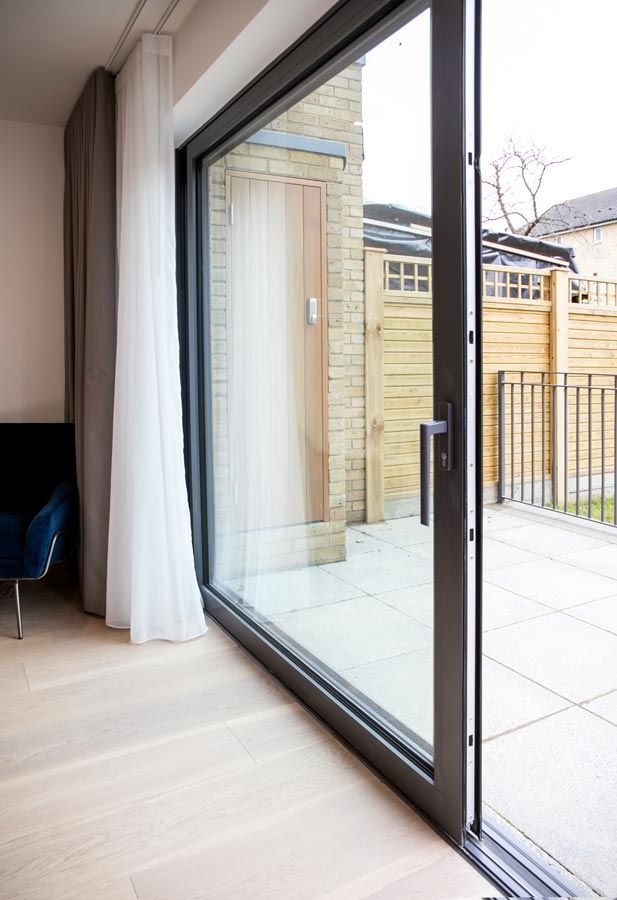
These doors use a specialized handle and gear system. When closed, the panel sits lowered into its seals for maximum weather protection. Turning the handle lifts the panel slightly, reducing friction so it glides easily on its rollers. Turn the handle back down, and the door drops into a tight, secure seal.
2. Multi-slide doors
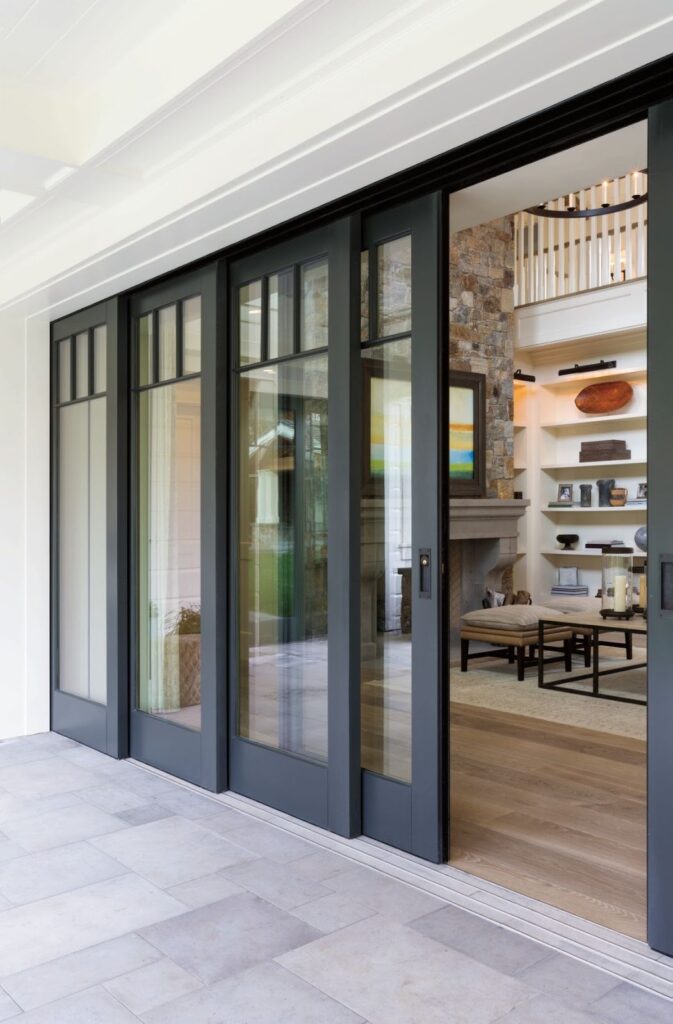
This system uses multiple sliding panels that move along parallel tracks. Panels stack together as they open, and in some designs, they can slide into a hidden pocket inside the wall. The panels always stay in contact with their weather-stripping and do not lift off the track.
Why These Differences Matter
Your daily experience with these large doors depends heavily on their mechanics and thresholds.
- Operation: Because lift-and-slide panels rise off their seals before moving, even large panels feel very light. Multi-slide systems rely on sliding friction, so they require more effort as panel size increases.
- Threshold appearance: Multi-slide doors offer true flush sills, creating a level, seamless indoor-outdoor transition, according to research by the University of Minnesota Extension. Lift-and-slide doors require a weather-rated sill that sits slightly higher to maintain their tight seal.
- Weather performance: A wide glass opening can be a major weak point in a home’s envelope. Lift-and-slide doors provide a compression seal that excels in cold, windy, or wet climates. Multi-slide doors perform well but generally do not match the airtightness of a lift-and-slide system.
Comparing Large Patio Door Options
| Parameter | Lift-and-Slide Door | Multi-Slide Door | Standard Sliding Door |
| Weather Performance | Excellent (compression seal) | Good to Very Good | Fair to Good |
| Operation | Lift then slide | Panels slide and stack | One panel slides |
| Threshold Options | Weather-rated sill | Flush or weather-rated | Standard raised sill |
| Ease of Use (Heavy Panel) | Very smooth | Smooth | N/A (lighter panel) |
| Maximum Size | Very large | Extremely large (with pockets) | Standard |
| Relative Cost | Very high | High | Low |
Choosing What Works Best for Your Home
Your climate and design goals will help determine which system is right for you.
1. Considering your threshold
- Flush sill: Provides a clean, level transition and is ideal for accessibility. Works best in milder climates since flush sills are more vulnerable to wind-driven rain.
- Weather-rated sill: Offers stronger protection against drafts and water. Recommended anywhere with regular storms or cold winters.
2. Considering weather performance
- Harsh or variable climates: Lift-and-slide doors are a strong match for cold temperatures, strong winds, and heavy rain, according to climate-exposure guidance from the World Health Organization. Their compression seals help maintain indoor comfort.
- Mild climates: Multi-slide doors offer excellent views and allow for wide openings with flush sills or pocketed panels, making them ideal where weather demands are lower.
Common Mistakes to Avoid
- Choosing a flush sill where weather is a concern: A flush sill can struggle against wind-blown rain. In wet or cold regions, a weather-rated sill is often the safer choice.
- Overlooking stacking or pocket requirements: Multi-slide doors need enough wall space to stack multiple panels, and pocketed designs require specific wall construction.
- Ignoring drainage needs: Large openings need proper drainage, as noted in Building Envelope research, especially if you choose a flush sill. A channel drain or similar system may need to be built into the foundation.
- Using a non-specialist installer: Both systems are complex and require precise alignment. A poor installation can lead to binding panels or poor sealing.
Performance vs Aesthetics: A Common Debate
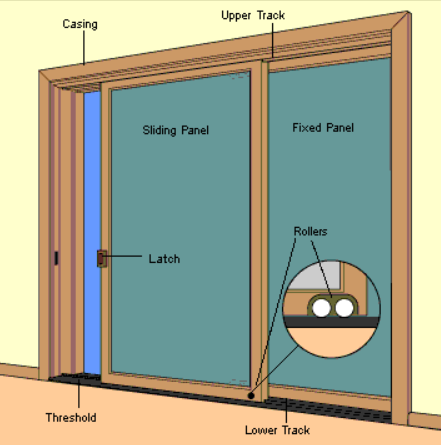
Architects often prefer multi-slide doors because they offer flexible layouts, pocketed panels, and flush transitions that enhance the indoor-outdoor flow.
Builders and energy specialists typically prefer lift-and-slide systems for their strong weather protection and airtight seals. As homes become more efficient, large openings require reliable performance in order to maintain comfort and reduce energy use.
Ultimately, both views are valid. Your choice depends on whether weather performance or visual impact is the bigger priority.
Frequently Asked Questions (FAQ)
1. What should I consider when choosing between lift-and-slide vs. multi-slide patio doors?
The number one consideration is your climate. Your need for high weather performance (wind/water/air sealing) should be your first priority. After that, consider your desire for a flush sill and your budget.
2. How do I choose the best threshold?
Choose a flush sill only if you are in a mild, dry climate and accessibility is your top priority. For all other applications, especially those exposed to weather, a weather-rated sill is the safer, more energy-efficient choice.
3. What are the advantages and disadvantages?
- Lift-and-Slide: Advantages include exceptional weather performance and very easy operation. Disadvantages are a higher cost and the lack of a true flush-sill option.
- Multi-Slide: Advantages include the option for a seamless flush sill and the ability to pocket panels into a wall. Disadvantages are lower weather performance and more friction during operation.
Conclusion
Lift-and-slide and multi-slide patio doors both create impressive openings that transform living spaces. The right choice depends on what you value most. Multi-slide doors focus on flexibility and visual continuity. Lift-and-slide doors prioritize weather performance and ease of use.
By considering climate, threshold needs, and long-term comfort, you can choose a system that enhances your home and performs well for years to come.